AC Installation Winter Haven FL: A Smart Upgrade for Year-Round Comfort
Winter Haven has a way of reminding homeowners that comfort is not a seasonal luxury, it is a year-round necessity. Summer brings heat that lingers well into the evening, humidity that settles into walls and fabrics, and afternoons where a weak cooling system can make a house feel far older than it is. Even the cooler months do not always give an air conditioner much of a break, especially in a climate where indoor comfort depends as much on moisture control as it does on temperature. That is why AC installation Winter Haven FL is rarely just a replacement decision. It is often a practical upgrade that changes how a home feels, how much energy it uses, and how reliably it handles the long stretch of hot weather.
A properly selected and installed system does more than blow cold air. It balances humidity, supports steady airflow, reduces noise, and keeps living spaces consistent from room to room. For many homeowners, the difference between an aging unit and a correctly sized new AC system is immediate. Rooms that used to feel stuffy start to breathe. Thermostats stop fighting to catch up. Utility bills become a little more predictable. The right air conditioner installation also protects the home itself, because excess humidity can do real damage over time, from sticky floors and musty odors to strain on finishes, furnishings, and indoor air quality.
Why Winter Haven homes ask more from an air conditioner
Central Florida weather is not forgiving to undersized or poorly maintained cooling equipment. Winter Haven sits in a region where high humidity and extended warm seasons force air conditioners to work harder and longer than many people expect. That constant demand makes weak components show their age quickly. A system that once seemed adequate can start to fall behind after a few years, especially if it was never matched well to the home in the first place.
One of the most common mistakes I see is homeowners assuming that a bigger unit will solve everything. It rarely does. An oversized system may cool the air quickly, but it can short cycle, shutting on and off before it removes enough moisture. The house ends up cool but clammy, which is a frustrating combination that often sends people reaching for lower thermostat settings and higher electric bills. On the other hand, a unit that is too small will run constantly and still fail to keep up during peak heat. Proper AC installation depends on the right balance, not just maximum capacity.
Winter Haven homes also vary widely in age and construction. Some have been updated with better insulation and windows, while others still rely on older building materials, leaky ductwork, or additions that were not fully integrated into the original HVAC design. A professional HVAC installer has to evaluate all of that before recommending equipment. The best installation is not the one with the most powerful machine. It is the one that fits the home’s actual load and airflow needs.
Signs the old system is no longer worth repairing
Replacing an air conditioner is easier to justify when the old one has made its problems obvious. Still, many homeowners wait too long because the unit technically still turns on. That can be an expensive habit. A system can limp along for years while quietly draining money through inefficiency, frequent service calls, and uneven cooling.
There are a few patterns that usually point toward replacement rather than another round of repair. If the system needs multiple major fixes in a short period, the math starts to shift. A compressor issue on an older unit, for example, can cost enough that it makes more sense to put that money toward a new AC system with a fresh warranty and lower operating costs. Likewise, if the house has warm spots, persistent humidity, or rising power bills even after maintenance, the equipment may simply be reaching the end of useful service.
Noise is another clue. A healthy air conditioner has a steady, familiar sound. Grinding, rattling, buzzing, or loud startup noises often indicate worn motors, failing parts, or duct problems that should not be ignored. I have also seen homeowners overlook the age of the system because it still “sort of works.” Once a unit gets into the later years of its life, performance can drop in ways that are subtle at first and obvious only when the weather gets punishing. In Florida, that usually happens sooner rather than later.
What professional AC installation should actually include
A good air conditioner installation is more than setting a box outside and connecting a few lines. The details matter, and they show up later in comfort, efficiency, and reliability. A professional HVAC installer should begin with a real assessment of the home, not a guess based on square footage alone. Room count, ceiling height, insulation, window exposure, duct condition, and sun load all influence the right system size and configuration.
The installation itself should be clean, deliberate, and documented. That means checking refrigerant lines, evaluating airflow, verifying electrical compatibility, sealing connections, and making sure the thermostat communicates correctly with the new equipment. If the home has ductwork, that system should be inspected for leaks, restrictions, or design flaws that would undermine the performance of the new unit. Even an excellent air conditioner will disappoint if the ducts waste cooled air before it reaches the rooms.
There is also a difference between a quick swap and a proper installation. A quick swap may get the equipment running sooner, but a careful job tends to pay off for years. Level placement of the outdoor unit, proper drainage, correct charge, and tested airflow may sound routine, yet each one affects how long the system lasts and how hard it has to work. Small mistakes during installation often become big problems later, especially in a climate where the cooling season stretches most of the year.
Choosing the right system for the house
The decision process usually starts with a few practical questions. How large is the home? Is the existing ductwork in good condition? Are there rooms that always run hotter than the rest? Does the homeowner care more about upfront cost, energy savings, or the quietest operation possible? The answers guide the equipment choice far better than a general rule of thumb.
A single-stage unit may suit some homes where simplicity and lower upfront expense matter most. Two-stage or variable-speed systems often make sense when comfort and humidity control are the priority, especially in homes that struggle with temperature swings. Homeowners who spend a lot of time indoors or work from home tend to notice the difference in how evenly a variable system maintains comfort through the day. A professional HVAC installer should explain these trade-offs in plain language, because the best unit on paper is not always the best one for a specific household.
Energy use, humidity, and the real cost of comfort
People often focus on the purchase price of air conditioner installation and overlook the monthly operating cost. That is where the long-term value usually lives. A modern system, properly sized and installed, can make a visible difference in energy use compared with an older unit that has worn parts or outdated efficiency. Even when the savings are difficult to pin to a single number because every home is different, homeowners regularly notice that their summer bills become less erratic after replacement.
Humidity control matters just as much. In a place like Winter Haven, cooling without removing enough moisture is only half a solution. High indoor humidity can make 74 degrees feel sticky and uncomfortable, while a drier home at the same temperature often feels noticeably better. A new AC system with the right features, installed correctly, has a better chance of handling moisture consistently. That means fewer complaints about a house that feels “cold but not comfortable,” which is a surprisingly common problem with aging systems.
There is also a maintenance angle that people sometimes miss. An older system working too hard may need more frequent service, more filter changes, and more attention to avoid breakdowns during extreme weather. A well-installed replacement often reduces those headaches. The savings are not only in power consumption, but also in fewer emergency calls, less wear on the home, and more predictable indoor conditions.
The role of ductwork, insulation, and airflow
No air conditioner can perform well in a house that leaks conditioned air faster than it can replace it. That is why a professional installation should always consider the rest of the cooling system, not just the equipment itself. Ductwork that is undersized, crushed, disconnected, or leaky will sabotage even the best unit. In older homes, I have seen installed capacity that should have been more than enough, but the system still failed to keep up because half of the air was escaping in an attic or crawl space.
Insulation and air sealing deserve attention as well. A homeowner may assume the solution is a larger unit when the real issue is that heat is pouring through a poorly insulated attic or around drafty openings. A proper assessment can prevent overspending on unnecessary capacity. It can also help avoid the common trap of buying equipment to compensate for building problems that should be corrected directly.
Airflow inside the house matters too. Supply vents that are blocked by furniture, return paths that are too small, and closed interior doors can all create pressure imbalances and uneven cooling. A thoughtful air conditioner installation should account for those realities. Sometimes the fix is as simple as adjusting duct balancing or educating the homeowner on how the system should be used. Other times it means improving the design before the new unit goes in. That extra attention is what separates a true solution from a temporary patch.
What homeowners should ask before scheduling installation
A good installation experience usually begins with good questions. Homeowners do not need to speak HVAC jargon to protect their investment. They just need to ask enough to understand whether the work is being matched to the home or merely sold off a shelf.
Here are a few questions that help clarify the process without turning it into a technical interview:
- How was the system size determined for this home?
- Will the ductwork, airflow, and thermostat be inspected as part of the installation?
- What efficiency options make sense for this climate and this household?
- What kind of warranty coverage comes with the equipment and labor?
- How will the installer verify that the system is operating correctly after startup?
These questions are useful because they reveal whether the contractor is thinking beyond the sale. A professional HVAC installer should welcome them. If someone seems annoyed by basic questions about sizing, airflow, or warranty details, that is usually a sign to keep looking.
Timing the replacement before a failure forces the issue
One of the smartest times to plan AC installation Winter Haven FL is before the old system fails completely. Emergency replacement usually happens on the hottest week of the year, when everyone else is also trying to get service. That creates stress, limits options, and can force rushed decisions. Planned replacement gives the homeowner time to compare systems, inspect ductwork, schedule the job at a reasonable pace, and think clearly about budget and comfort priorities.
There is also a practical reason to act before the breakdown. When a system starts showing age, it rarely fails in a graceful way. Instead, it often becomes less reliable at exactly the wrong time. A compressor that struggles in June may stop altogether in July. A blower motor that squeals for a month may seize when the household is full of guests. Replacing the system on your own schedule keeps the family in control of the process, rather than leaving comfort to chance.
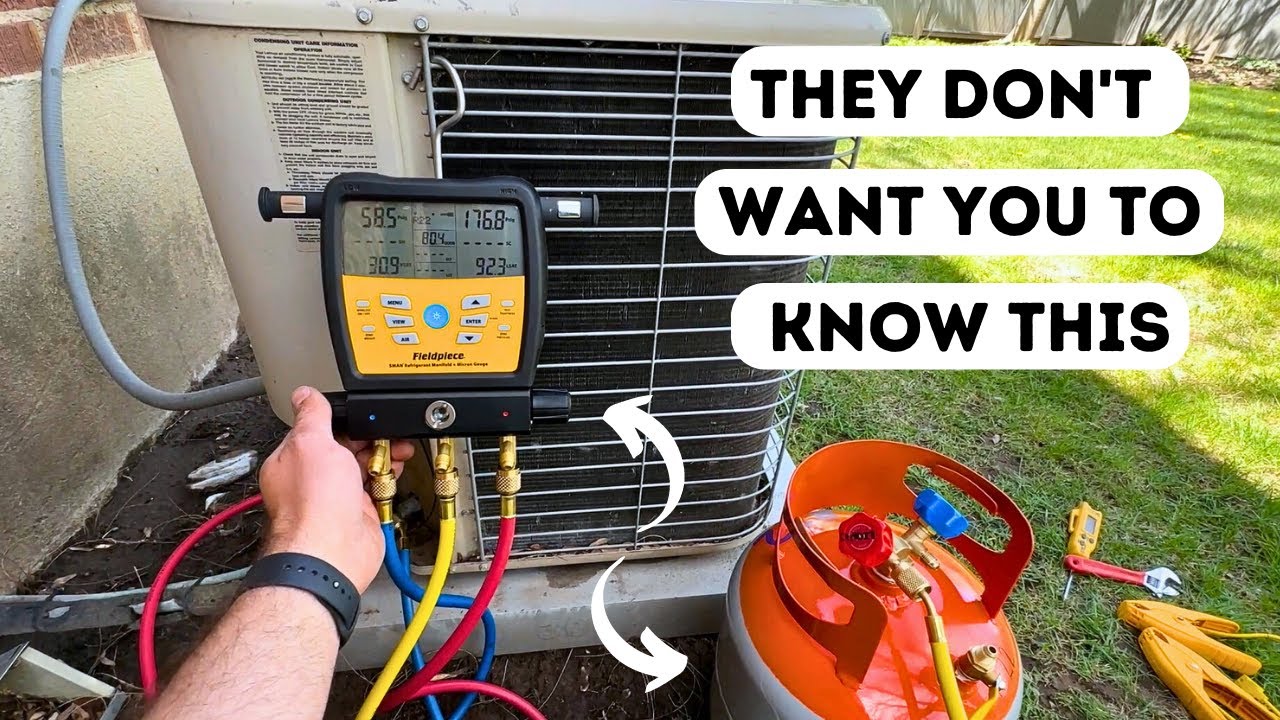
I have seen homeowners wait one season too long because the old unit still “makes it through.” Then a heat wave hits, a part becomes unavailable, and they are left with a house that cannot be cooled properly for days. more info By the time they replace it, they are already dealing with avoidable discomfort. Planning ahead is not dramatic, but it is often the difference between a calm upgrade and a stressful emergency.
Why the installer matters as much as the equipment
There is a temptation to compare air conditioners only by brand, efficiency rating, or price. Those details matter, but they do not tell the full story. Installation quality influences performance just as much as the box itself. A premium system installed badly can disappoint. A solid midrange system installed correctly can outperform expectations for years.
That is why choosing a professional HVAC installer is a decision worth taking seriously. The installer is the person responsible for translating the manufacturer’s promise into real-world comfort. They determine whether the system is sealed properly, charged correctly, and matched to the house. They also set the tone for the owner’s long-term experience, because a rushed installation often leads to extra service calls and avoidable frustration.
A reliable installer will take time to explain the options, look at the home as a system, and recommend equipment that fits the way the house is actually used. A retiree who keeps the home closed and cool all day may need a different solution than a family whose doors open and close constantly. A house with west-facing windows may need more attention to solar gain. A system serving a home office or nursery may need better noise control. These are not abstract preferences. They are the details that determine whether a new air conditioner feels like an upgrade or just a replacement.
A smarter kind of comfort
A new AC system is easy to think of as a necessary purchase, but in practice it is often a quiet improvement to daily life. The house cools more evenly. Indoor humidity becomes easier to live with. The system runs with less drama, and the thermostat stops demanding constant attention. For homeowners weighing AC installation Winter Haven FL, the real question is not whether the old unit can be coaxed through one more summer. It is whether the next several summers should be left to chance.
The best time to replace an air conditioner is usually before the discomfort becomes impossible to ignore. That gives the homeowner space to make a rational decision, compare system options, and choose an air conditioner installation that supports the home rather than fighting it. With the right equipment and the right professional HVAC installer, a new AC system becomes more than a repair. It becomes a long-term investment in livability, efficiency, and peace of mind.
Phone:
(863) 247-0271
Website:
icecoolinghvac.com
Indoor Climate Experts
296 Lake Smart Circle,
Winter Haven,
FL
33881